Before you start drawing, it helps to remember one important idea: drawing is seeing. Every object around you is made up of simple shapes and lines arranged in certain ways. By learning to spot these basic forms, you can break down even the most complex subjects into manageable pieces – and make drawing much easier and more fun.
Identifying Basic Shapes
I like to think of the shapes as falling into one of these basic groups:
1. Circles (Ovals are included here)
2. Triangles
3. Squares (Rectangles are included here)
Look around the room. Can you find a circle? (Circles can include door knobs, light fixtures, heads of the other people.) Can you find a square? (Squares might include picture frames, window panes, doors). What about a triangle?
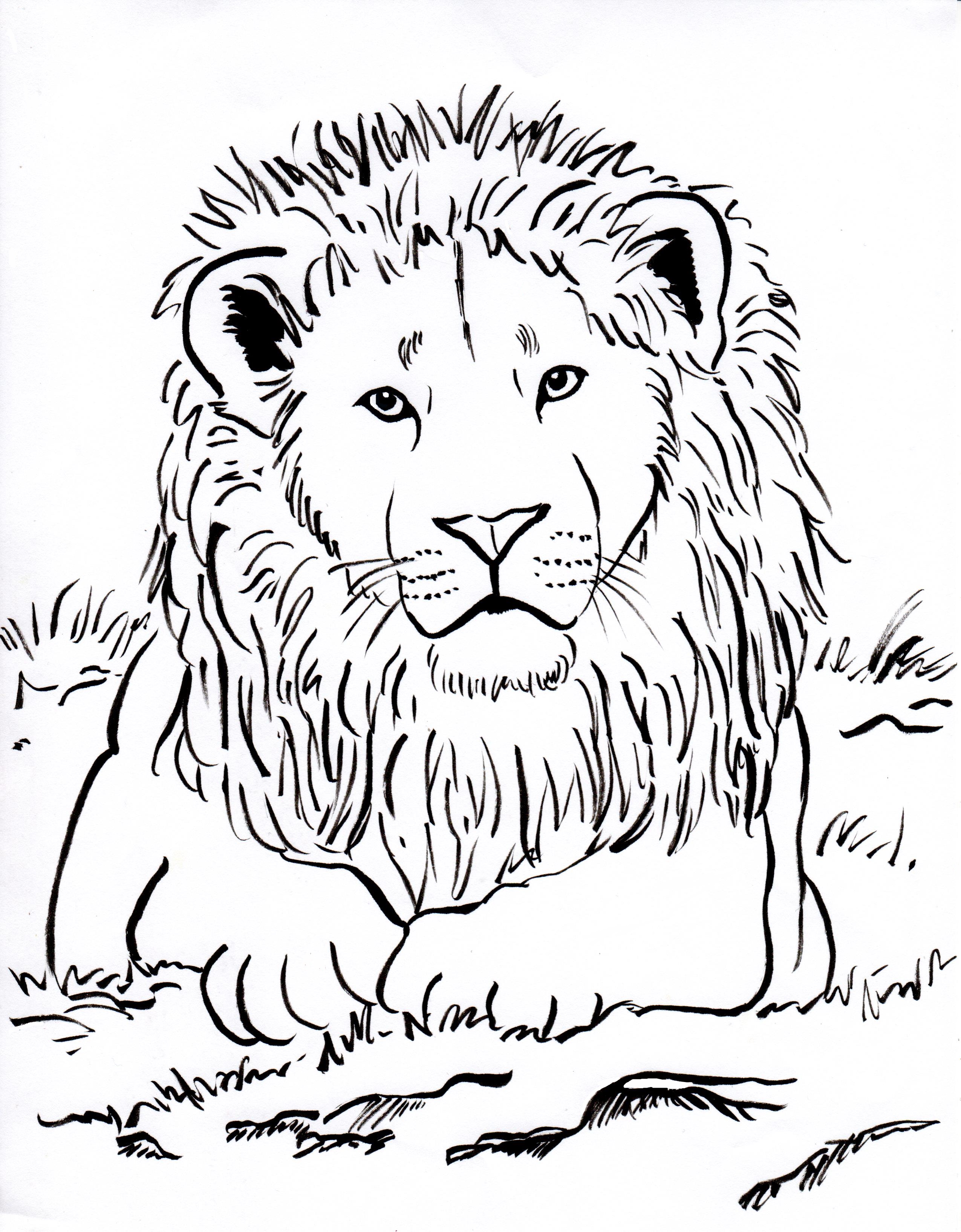
Now take a look at the drawing of the lion below. What shapes do you see? Do you see a circle for its head and ovals for it’s legs and paws?
Sketching Shapes Lightly
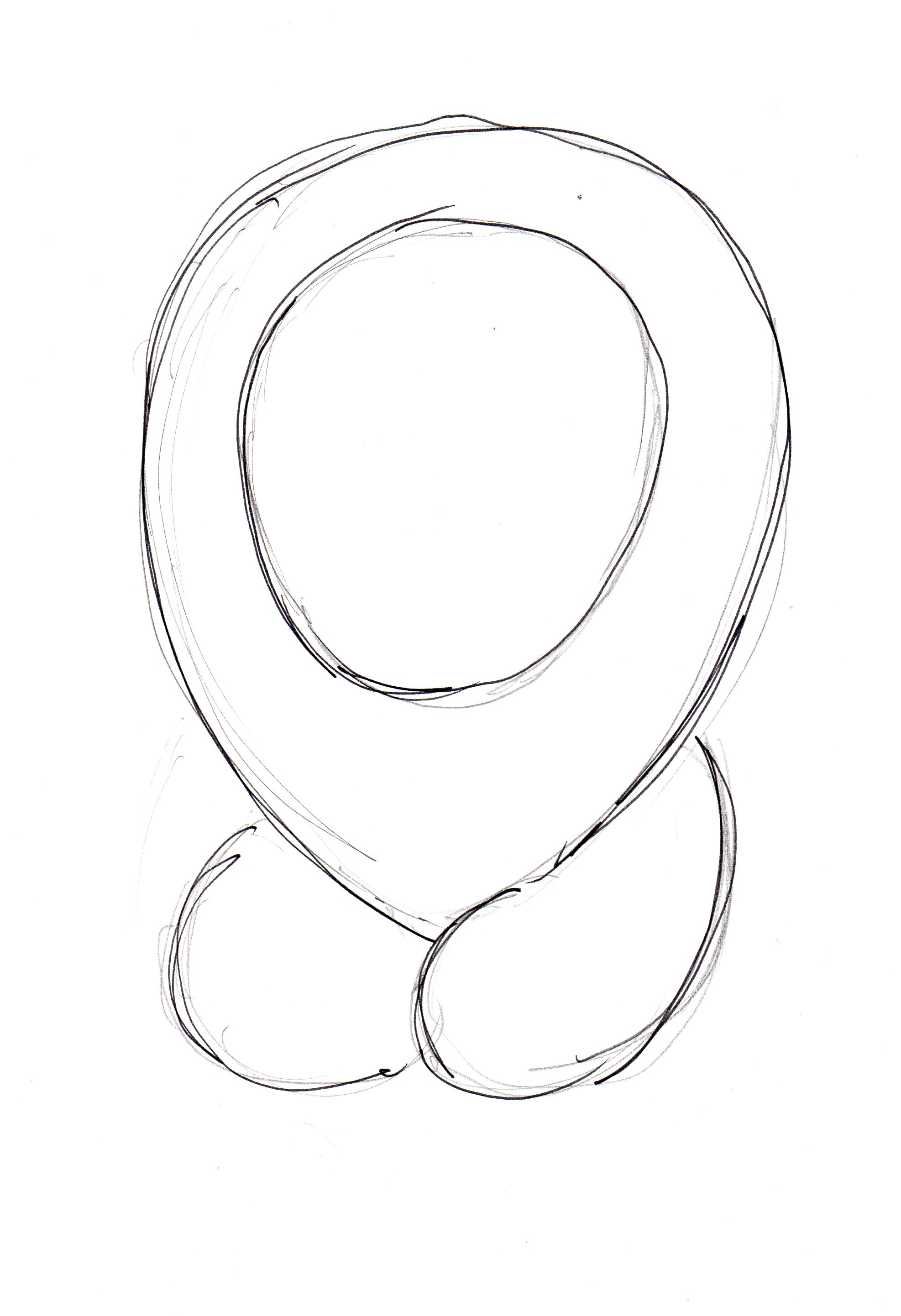
When I draw, I like to begin by drawing these shapes first. Sketch them in lightly since you may need to erase some of them later. My first sketch may look something like this:
Or I might add a little more so it looks something like this:
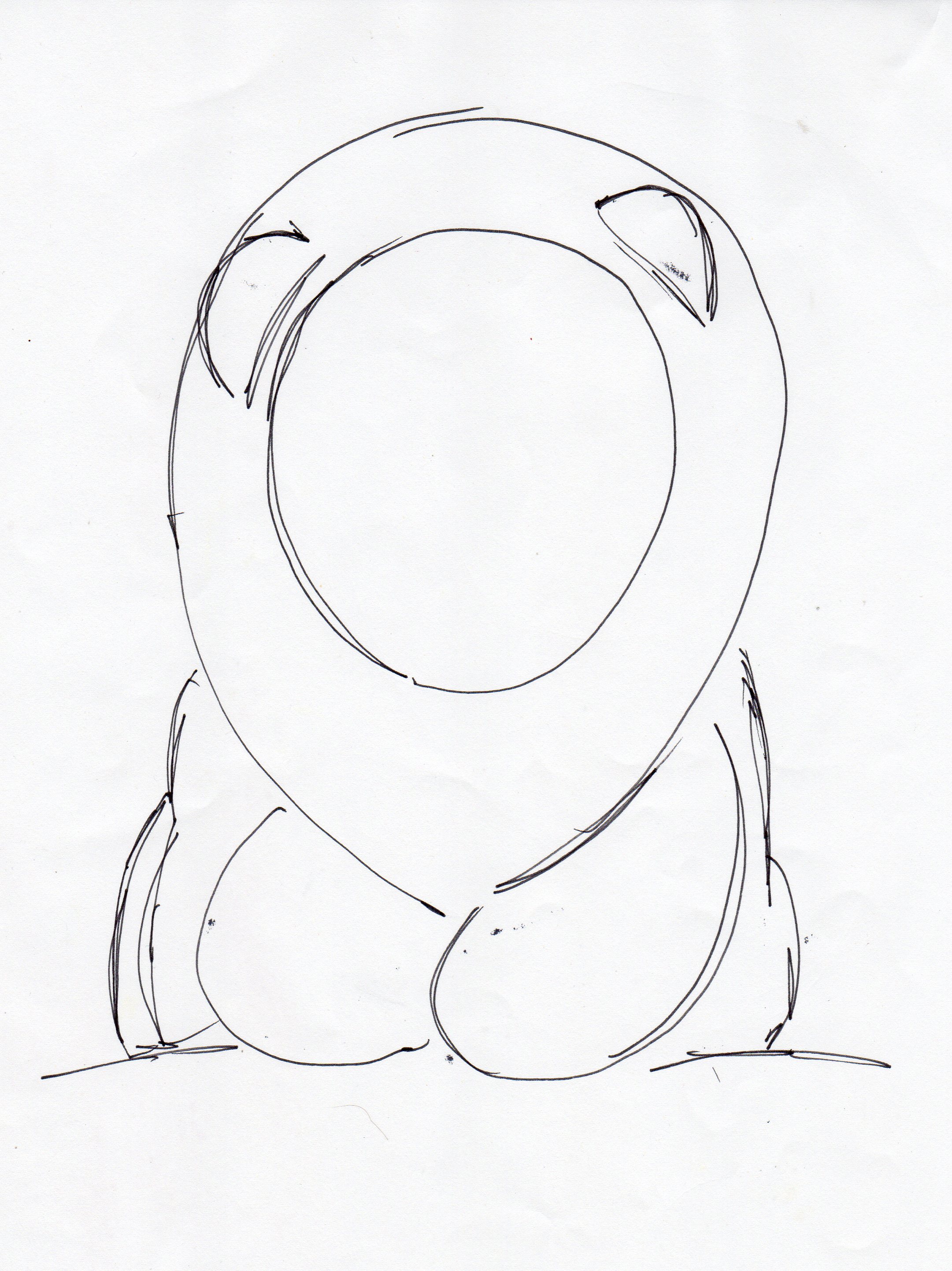 As you draw, pay attention to where the shapes meet, such as where the ears connect to the head and where the legs attach to the body.
Adding Lines: Straight and Curved
Now that you have the shapes on the paper, look for the basic lines: straight and curved. You can see straight lines on objects such as the edge of a door, window, or book. Curved lines are everywhere else – an apple, a smile, an ear. Looking again at the picture of the lion, draw the lines over the shapes. Notice where the lines are straight and where they curve.
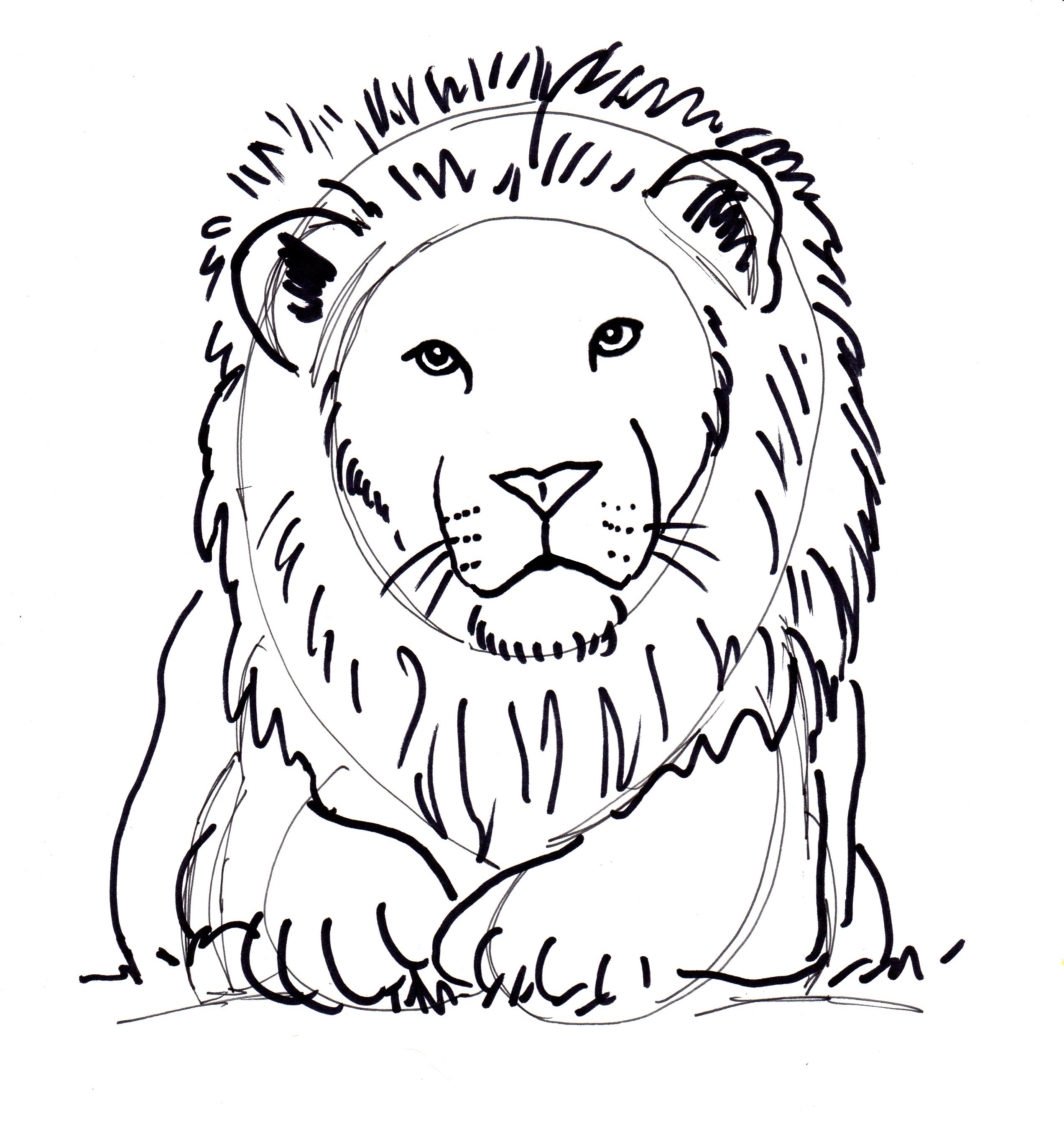
As you draw the lines, remember that you DON’T have to follow the shapes exactly. Instead, use the shapes as guidelines for where the lines should go (notice that you can still see part of the shapes in the lion above). After you’ve drawn in the straight and curved lines, simply go back and erase any extra lines you no longer need.
Tips for Younger Children
If you are working with a child age eight or under, you might find he or she has a hard time understanding the concept of drawing the basic shapes first and erasing the lines later. In this case, just help her follow the shape of the lines, paying close attention to where they connect to each other.
Want more practice drawing with shapes and lines? Check out the lessons in Drawing Step By Step, or try drawing from one of the free coloring pages.
Yes I really need to join as an arts teacher